
This article is the first in a series on nutrition, which is one of the foundational tools we have to influence our health. I’ll start with a personal narrative and some simple, practical principles, and then explore a few foundational nutrition questions. In forthcoming newsletters, I’ll delve into more complex and nuanced topics. My goal is to communicate grace for the journey we’re on to steward our health and to clear up some common misunderstandings about nutrition.

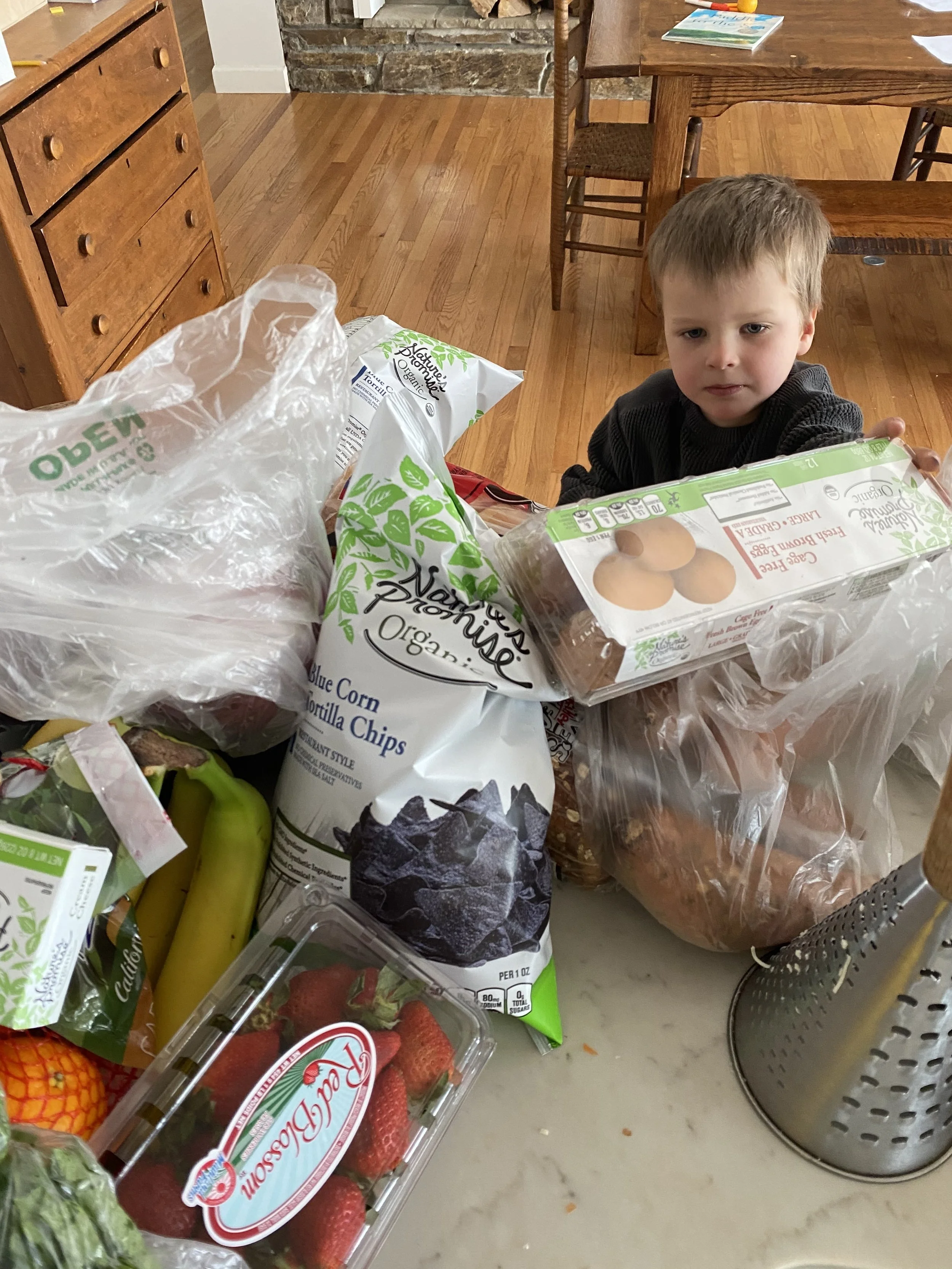
Breakfast at the Ward house (when we lived in the home that is now Valle Health!)
I haven’t always had the best diet—in fact, far from it, as you’ll read below. Perfection isn’t the objective, but aiming for a healthful balance that moves you toward your goals is a worthwhile quest. I promise. Please feel free to reply with further questions or topics of interest.
Some Background…
I haven’t always known how to eat to maintain my health. I grew up in a loving, thoughtful, and hard-working family. I played sports, was a Boy Scout, and lived near my grandparents, who kept large gardens. My parents worked full-time as small business owners, and we had plenty of food and resources. Unfortunately, I grew up during the era of the food pyramid—a guideline so fatally flawed it should only be referenced as a warning to prevent its repetition. I ate the Standard American Diet (SAD) and didn’t make a real break from it until my mid-30s.
My boyhood mornings began with a Pop-Tart washed down with orange juice (or even a swig of Coke) as I rushed out the door to school. I eagerly awaited snack time, which consisted of pastries, cookies, or crackers. Lunch meant whatever the cafeteria offered that day, topped off with a chocolate Nutty Bar from the vending machine. Most evenings, my family frequented fast-food or dine-in chain restaurants, and no dinner was complete without soda. We ate the occasional meal prepared at home and a weekly dinner at my grandparents’.

I struggle to believe I survived on a diet like that for more than 20 years. It highlights the resilience of children, buoyed by a pro-growth hormonal milieu and whatever (for now incompletely described) other processes contribute to youth. Despite my diet, I was a successful student and athlete. I don’t remember feeling poorly, but years later, after changing my eating habits, I realized how accustomed I had become to not feeling my best.
My dietary norms came to a crashing halt when Rachel and I married. We were poor students figuring out how to live on a meager grocery budget, and Rachel was in charge of the kitchen. She introduced me to avocados, chickpeas, and bell peppers—foods that aren’t exactly exotic to most, but were new to me. We occasionally went out on a date for pizza. I still drank plenty of soda, mastered my box brownie recipe, and scavenged all the free food I could at medical school, but it was a real shift.
Fast-forward nearly a decade and we were in Albertville, France, at the edge of the Alps, learning French to prepare for our time in Togo. We were now “poor” missionaries cooking all our own meals—this time without Walmart. We bought our vegetables at the market, our meat at the butcher, and our bread at the bakery, enjoying fresh, local, high-quality food.
We spent the next two years in Togo, West Africa, where we had an abundance of delicious tropical fruits: bananas, pineapples, and plantains. Unfortunately, almost everything else was low-quality or imported. We subsisted on homemade tortillas, eggs, roasted beets, beans, zucchini, and gifts from visitors, becoming vegetarians by default. I share all of that to say I’ve been around the block a few times with my personal nutrition.
Back in the U.S., we made steady improvements. We opted for as much fresh, minimally processed food as we could and continued cooking from scratch using the skills we gained in Africa. I dropped soda from my diet during Lent in 2019 and haven’t had one since. Even so, I still ate plenty of hidden sugar and depended on cereal bars and sweet treats to carry me through long workdays at the hospital.
The next significant change came in January 2022. By that point, I knew I wanted to start Valle Health, and I also knew I didn’t yet have the personal nutrition and fitness experience to lead patients the way I envisioned. I considered several dietary experiments—keto, vegan, and others—but my wife recommended we start with the Whole30, as she was combatting poor sleep and the winter blues. A few days in, I knew my life had changed.
The Whole30 is an elimination diet designed to help people identify food allergies or triggers. It is intentionally restrictive: no grains, dairy, legumes, preservatives, or food additives—and most importantly for me, no sugar. Five days into the Whole30, my wife resumed deep sleep and felt noticeably better overall. For me, it brought the revelation that I was addicted to sugar. That may sound dramatic, but I believe my sugar addiction operated much like the opiate or methamphetamine addictions I witnessed at the hospital. The main differences are how socially acceptable sugar addiction is and how slowly its consequences appear. Cutting it out gave me a sense of freedom. My energy levels became more even, my joints ached less, and I was less irritable, less anxious about food, and less impulsive in other areas of life.
All of these iterations led me to where I am today. I’ve continued to make refinements, and as a family, we’ve settled into five straightforward guidelines most of the time:
Almost all of our meals are prepared at home from whole, minimally processed ingredients.
We minimize simple carbohydrates and emphasize protein at every meal.
We eat with intention and try to sit down together for at least one meal a day as a family.
We eat to fuel our bodies, and we find tasty ways to do it.
We don’t ascribe morality to food for ourselves or in our parenting. Food is neither “good” nor “bad”—some foods simply nourish us better than others, and we choose those.
In my story, you can see a stepwise progression toward sustainable habits that anyone can make. If a former soda-guzzling sugar fiend like me can change, so can you. Your diet has a profound influence on your health, and sometimes you don’t realize how much until you make changes. Day-to-day well-being—including energy, focus, brain fog, mood, and sleep—often improves first.
With that personal context in place, let’s dive into a few of the core questions in nutrition science: Are all calories equal? How do plants compare to animal foods? And what actually matters when it comes to processed versus whole foods?
Are all Calories Equal?
Let’s take a brief trip back to high school chemistry and the Laws of Conservation of Mass and Energy: mass and energy are neither created nor destroyed by the biochemical processes of our bodies. Think of putting wood in a stove. The energy stored in the wood is released as heat, and the mass of the wood equals the ash left behind plus the smoke and particulates going up the chimney. The analogy to eating isn’t perfect, but it holds up: when you eat food, you digest and absorb its energy, and its mass is either incorporated into your body or excreted.
Sounds simple enough—until you look at real life. Consider that the typical American gains about 20 pounds of fat between age 20 and age 40. Using a rough estimate of 3,000 calories per pound of fat, 20 pounds equals 60,000 calories. Divide that across 20 years, and you end up with an average daily surplus of just 8.2 calories per day. That is roughly equivalent to:
1/4 teaspoon of olive oil
4 Cheerios
1 1/2 strawberries
8 blueberries
3/4 ounce of orange juice
1 french fry
I weigh roughly the same as I did in high school. I certainly haven’t been counting calories, and even if I tried, no one could track intake accurately enough to maintain that balance on purpose. There has to be an internal buffer keeping me in homeostasis. Conversely, I do not believe someone who gains 20 pounds between age 20 and 40 could have prevented it simply by eating one fewer french fry a day (or walking an extra two minutes).
My “aha” moment came while reading Gary Taubes’ The Case Against Sugar. He made two points that changed how I think about diet and medicine:
Only skinny people tell others to simply “eat less” to lose weight. (Guilty as charged.)
“Calories in, calories out” is descriptive rather than prescriptive—meaning it is mathematically true, but rarely works well as a practical prescription.
Looking at the research, plenty of high-quality studies confirm that adding calories leads to weight gain—primarily fat—but those studies almost always use surpluses of 500 to 1,000+ calories per day. There is no conclusive evidence that a tiny surplus of under 100 calories a day reliably causes weight gain. The reverse is also true: substantial caloric deficits (500+ calories per day) produce clear weight loss, while minor reductions often stall out.
To sum it up: “calories in, calories out” holds true, especially at the extremes, but it’s an incomplete tool on its own. A complex hormonal environment—with insulin playing a central role—guides whether our bodies store or burn fat. The best analogy is inertia: it takes real effort to get a heavy boulder moving. Our bodies adapt to our surroundings and defend a state of homeostasis. Unfortunately, many adults in the Western world settle into an unhealthy homeostasis (overfat, undermuscled, or both). If you’re over 40, you probably know how stubborn that feels. Shifting that baseline usually requires meaningful changes to food quality and composition—not just eating one fewer french fry.
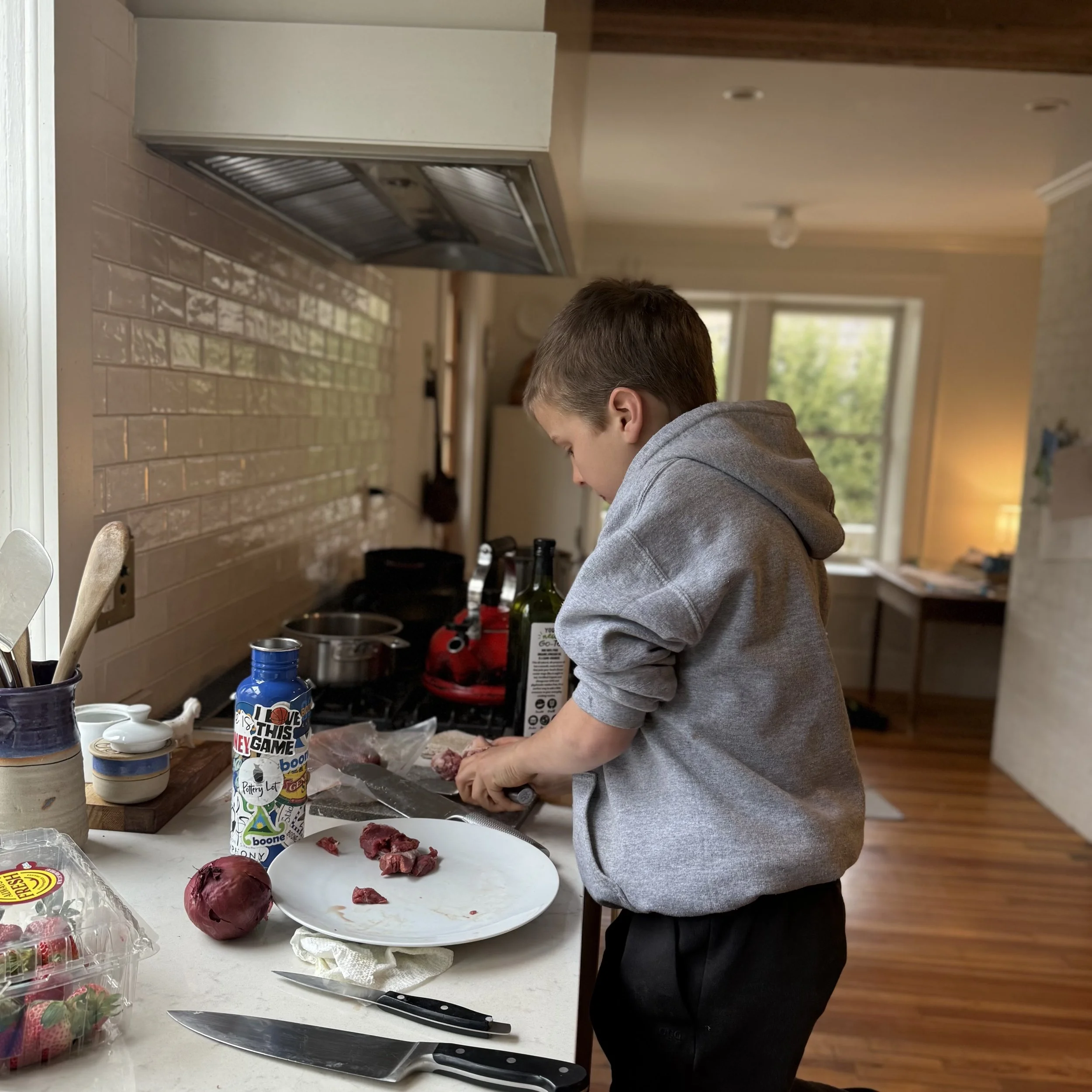
Yes, that’s four knives Peter seems to be using for his meal prep.
Plants vs. Animals
Few nutrition topics spark more debate than plants versus animal foods. The core question is straightforward: are nutrients and calories from plants inherently better for you than nutrients and calories from animals? The short answer is probably no.
Quality matters most: Garbage in, garbage out. Comparing ultra-processed meat to whole fruits and vegetables is not an apples-to-apples comparison.
Bioavailability: Many key nutrients—such as iron, B12, zinc, and complete amino acids—are significantly more bioavailable in animal foods than in plant sources.
Individual context over ideology: Nutrition debates are often clouded by ideological bias. The pertinent clinical question isn’t what works for a hypothetical average population, but what works best for you.
What about the common concerns regarding meat consumption?
Cancer: Eating low-quality, highly processed foods of any kind is associated with poor health. There is no compelling evidence that minimally processed—much less pasture-raised—meat directly causes cancer.
Heart disease: Saturated fat can raise ApoB in many individuals, and elevated ApoB is clearly linked to vascular disease. This is the most compelling clinical reason some people need to moderate red meat intake, though individual responses vary widely and should be tracked with lab work rather than guesswork.
Diabetes: Highly processed meats frequently contain additives, including sugar. Meanwhile, the mechanistic link between excess refined carbohydrates and insulin resistance is well established. In my clinical experience, I have never seen a patient’s metabolic health worsen by reducing refined carbohydrates and prioritizing whole-food protein.Processed vs. Whole Foods
Processed vs. Whole Foods
I’ll jump straight to the punchline: I believe whole foods are the answer to nearly all dietary questions. Technically, any alteration of a food from its original state is “processing”—including heating, milling, extruding, or adding preservatives and artificial colors. What we really need to watch out for are ultra-processed foods.
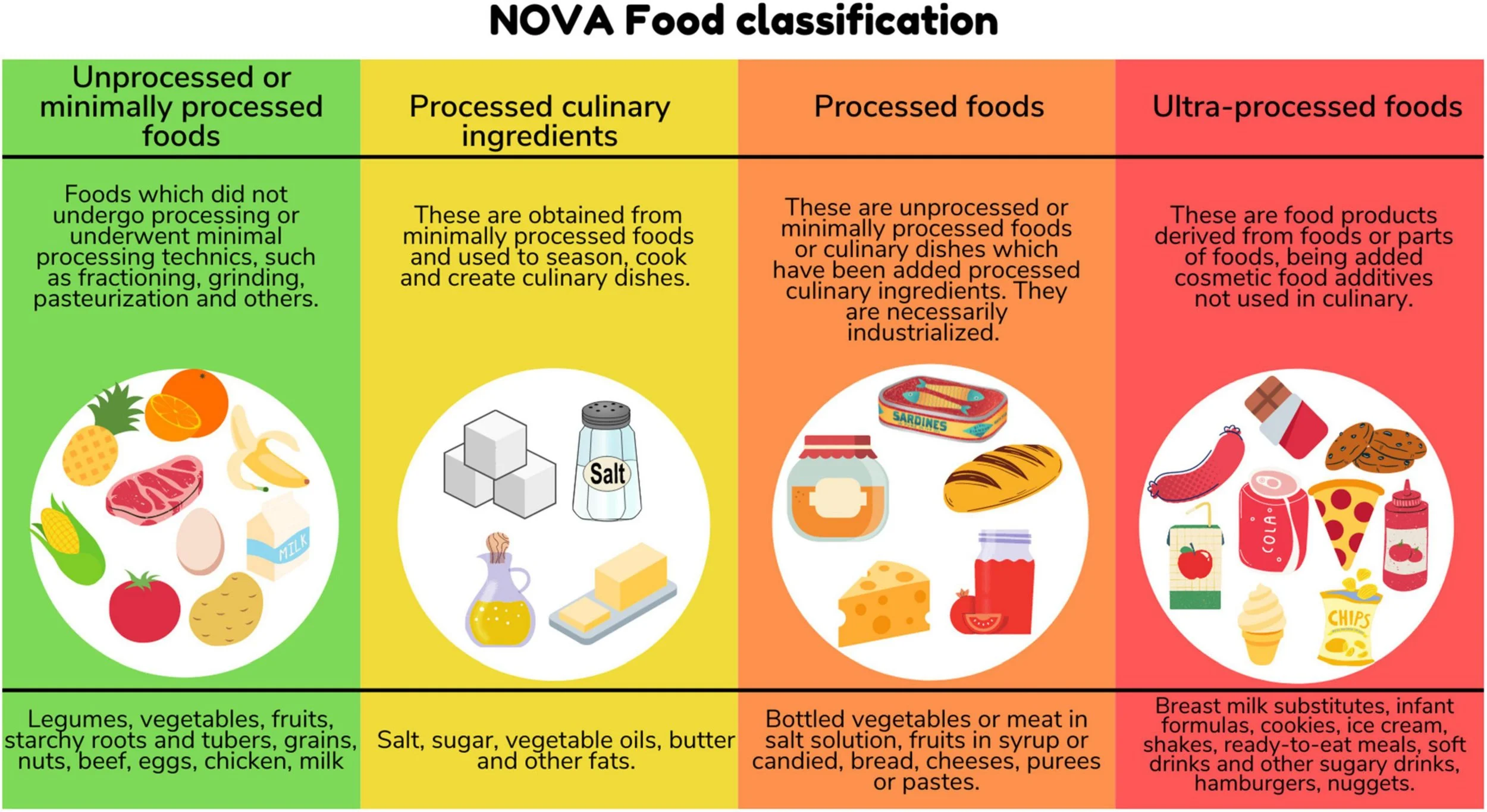
The chart above shows the most widely used classification system for food processing. To see why heavy processing changes how a food affects your body, consider a simple apple.
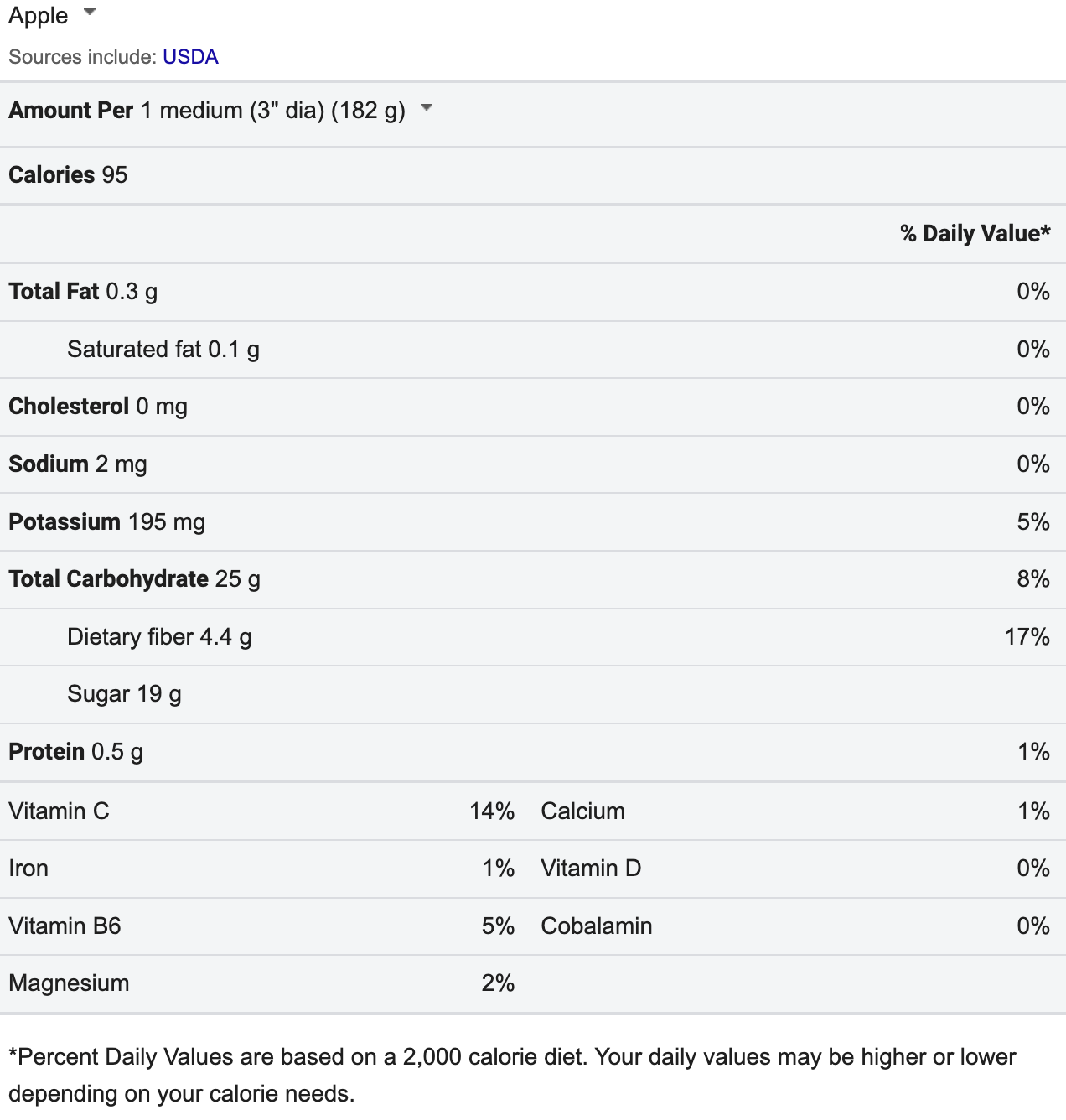
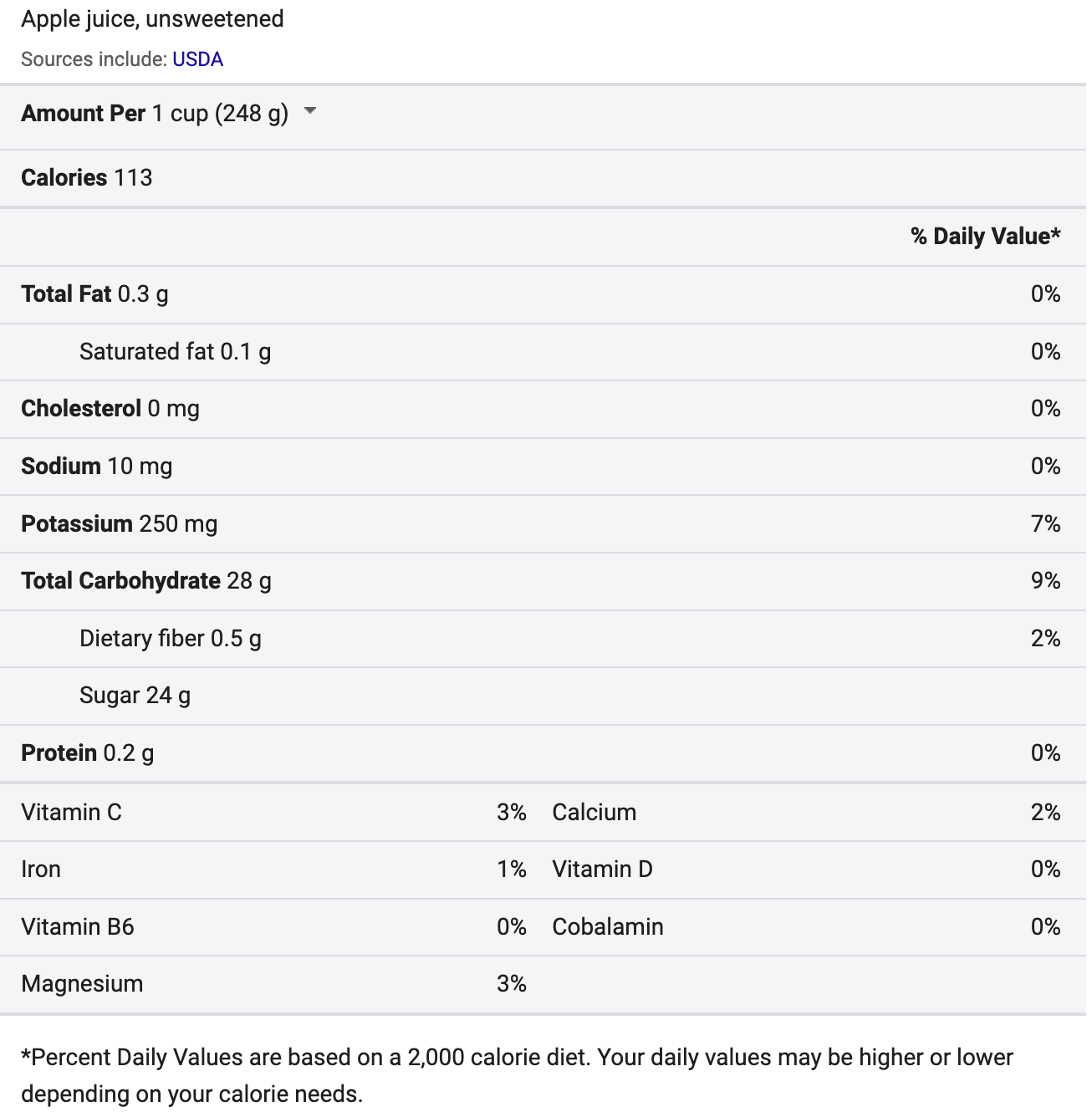
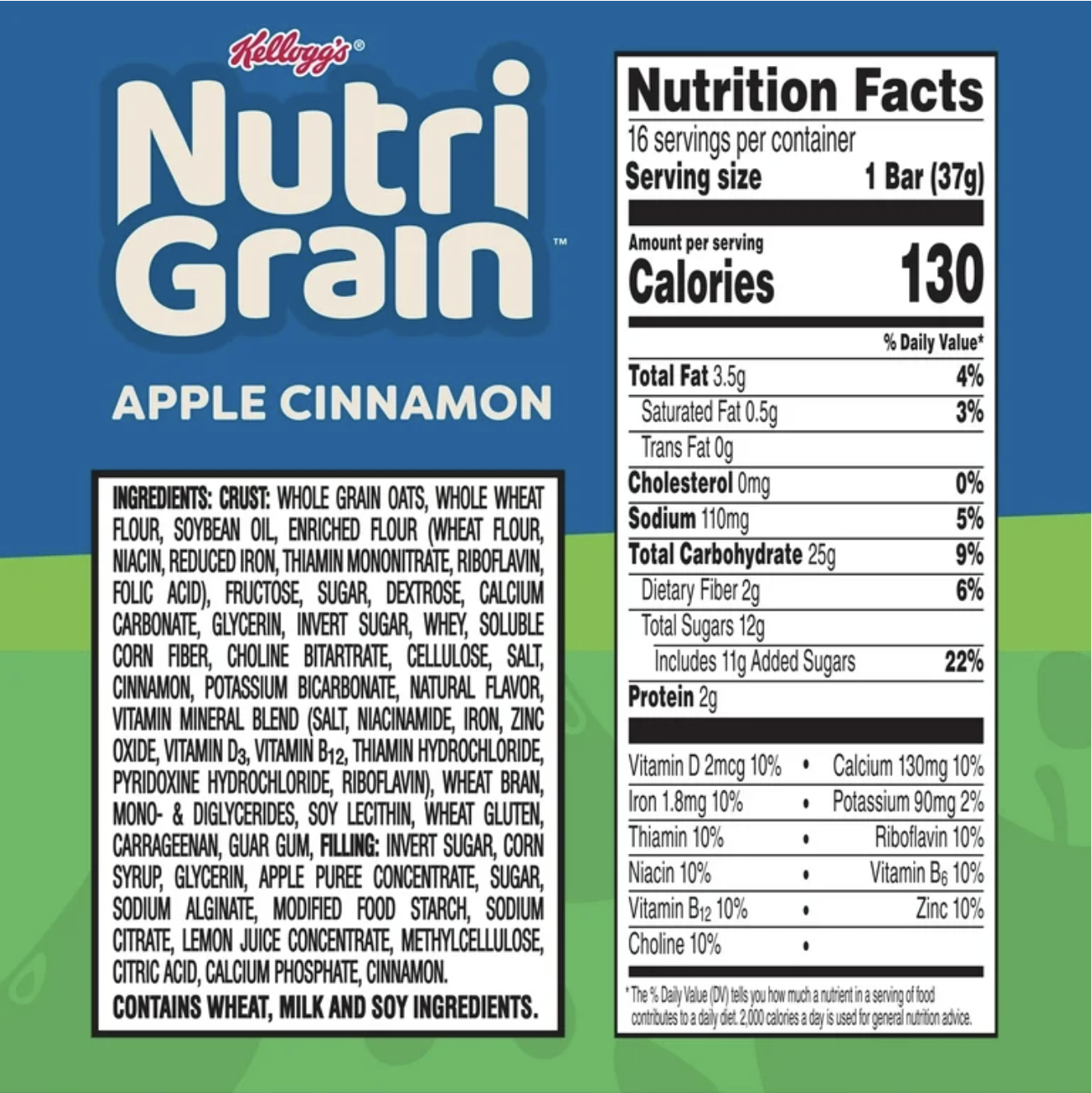
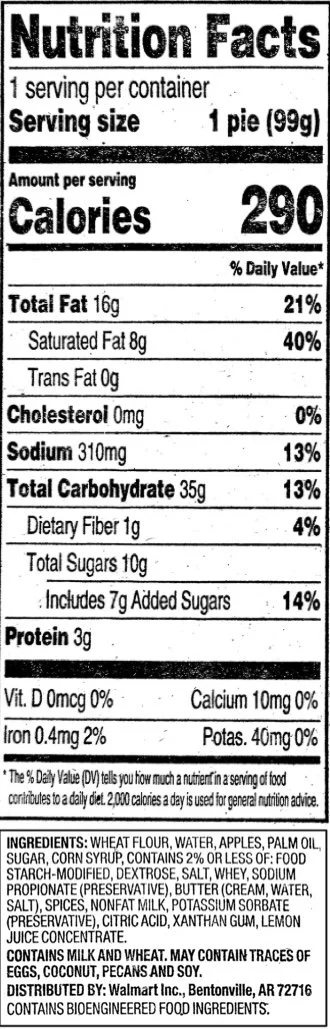
What’s missing in apple juice? Fiber—along with many of the beneficial nutrients stored in the apple’s skin. Just as importantly, it takes only seconds to drink a glass of juice, whereas eating a whole apple takes time and chewing. Think about a hotel continental breakfast: it’s effortless to down three glasses of juice, while very few people would sit down and eat three whole apples. Now compare that to ultra-processed apple products:
Where to Start
If you’ve made it this far, you might be wondering what to actually do at the grocery store this week. Here is the encouraging news: you don’t need a degree in biochemistry—or a perfect meal plan—to start seeing real benefits.
Start simple. Build most of your meals around single-ingredient, whole foods. Put protein at the center of your plate. Pay attention to how different foods make you feel an hour or two after you eat—your energy, your focus, your sleep. Remember that changing your nutrition is rarely an overnight overhaul; for me, it took years of small, imperfect steps, from learning to cook on a student budget to finally breaking up with soda and sugar.
Give yourself grace in the process, stay curious, and focus on steady progress over perfection. In our next newsletter, we’ll build on these fundamentals and look more closely at practical strategies for structuring your daily meals and navigating real-world nutrition challenges.
As always, hit reply if you have questions or specific nutrition topics you’d like me to cover next.
Dr. Bryant Ward
Valle Health
